|
|
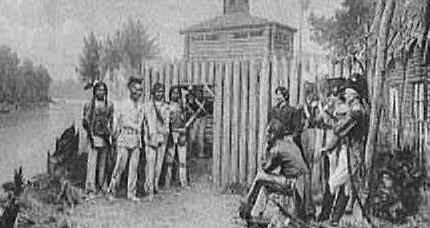
Native
Americans and the US Army negotiating a treaty during war (circa 1900) Topic: Culture and Negotiation Is there something special
about international business transactions? The most obvious feature is that they introduce
the effects of different cultures into the dealings. Negotiators from other cultures may
think differently due to their values, beliefs, and assumptions. There are two common
beliefs about cross-cultural business negotiations:
Both beliefs are WRONG!
Certainly, cultural
differences are always present, but you can overcome these differences by mastering the process
of negotiation. The process is universal. People are influenced by their culture, but
other things as well -- most importantly their professional socialization – in law,
in business management, in science, in engineering fields. This gives all negotiators some
important commonalities. Furthermore, if you disentangle the key elements of culture
– values, beliefs, perceptions, outlooks – you can understand how these cultural
elements clearly translate into basic orientations to the negotiation process.
Many negotiators feel that
they can master international business transactions if they know the key characteristics
of the other side's bargaining style. There are many books and articles about
national negotiating styles. What they reveal, for the most part, are cultural stereotypes. While
there is a grain of truth in these stereotypes, in the end, they can be truly
misleading. For example, if you are an American, just look below and assess whether
you would feel comfortable saying that all American negotiators can be described by
these generalizations. I'm sure you would not.
Hanging your hat on cultural stereotypes is not enough and may even mislead you. You can only be an effective global negotiator by understanding how the negotiation process works, analyzing how other negotiators use the process, and grasping how you can use the process to achieve successful business deals.Common
Stereotypes about National Negotiating Styles Japanese: Imprecise about issues, Seek to avoid loss of face Russians: Make
high demands, Have patience, Rapid concession-making as the end of negotiations
approach
|
Send mail to negotiation@negotiations.org with questions
or comments about this web site.
|